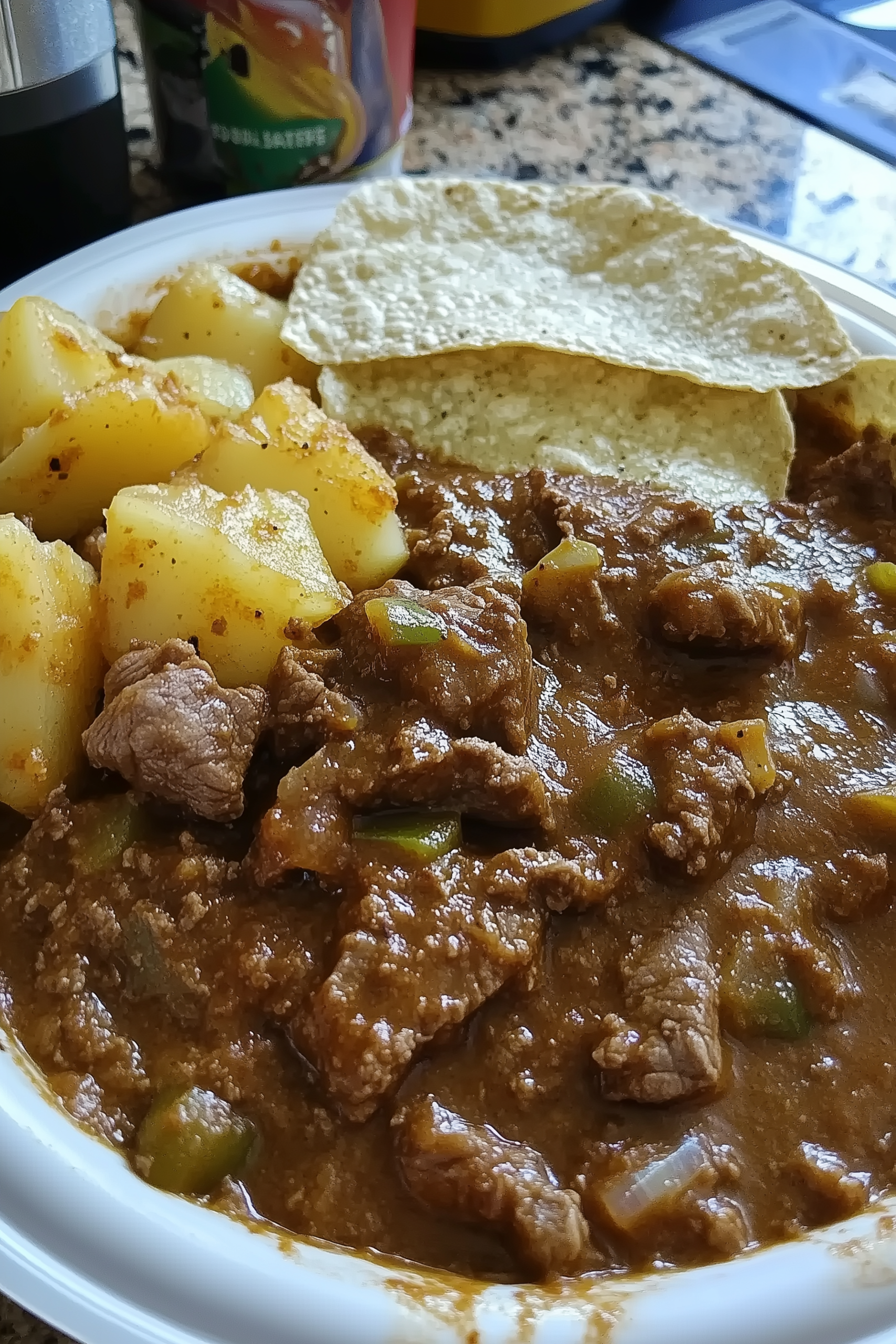
Carne Adovada: Why New Mexican Red Pork Chili Outshines Beef
When the crisp air of autumn descends, or simply when a hearty craving strikes, the thought of a simmering pot of chili often comes to mind. For many, chili conjures images of robust beef, slow-cooked to perfection. But what if we told you there's a contender that not only stands shoulder-to-shoulder with the best beef chilis but often surpasses them in depth, texture, and flavor complexity? Enter Carne Adovada, the quintessential New Mexican red pork chili. This iconic dish, a staple of New Mexico's rich culinary landscape, offers a gastronomic journey that will make you rethink your chili loyalties. It's not just a dish; it's an experience, a triumph of flavor layering that simply outshines its beef counterparts.
While a good beef chili certainly has its merits, the magic of New Mexican red pork chili carne adovada lies in its unique approach to ingredients and cooking techniques. It’s a dish that showcases the incredible potential of pork when treated with respect, transforming humble cuts into a succulent, flavorful stew bathed in a vibrant, earthy red chile sauce. If you're looking to win your next chili competition or simply elevate your home cooking, Layering Flavors: Secrets to Authentic New Mexican Carne Adovada will prove invaluable.
The Undeniable Advantage of Pork Chunks in Chili
One of the foundational differences that sets Carne Adovada apart, and indeed many superior chili recipes, is the use of generous chunks of meat rather than ground meat. While ground beef or pork can be acceptable in a quick chili, it presents a fundamental challenge in achieving truly deep, nuanced flavors and satisfying textures.
Why Ground Meat Falls Short
The primary issue with ground meat in chili is its surface area. When trying to brown ground meat, it's incredibly difficult to achieve a consistent, flavorful crust without drying out the entire batch. You often end up with an inconsistent mix of grey, steamed meat and small, dry, browned bits. This prevents the crucial Maillard reaction from occurring effectively across the board, robbing your chili of those millions of novel flavor compounds that develop when proteins and sugars react under heat.
The Brilliance of Pork Chunks
In contrast, using substantial chunks of pork (typically pork shoulder or butt) for your New Mexican red pork chili offers a significant advantage. With less overall surface area per piece, you can take the necessary time to sear each chunk thoroughly. This allows for a deep, even browning and the formation of a beautiful crust, locking in moisture and building an essential flavor foundation. The Maillard reaction goes into overdrive, creating layers of savory, complex notes right from the start. As these chunks then slowly braise in the rich chile sauce, they absorb the liquid's flavors while their own juices further enrich the stew, resulting in incredibly tender, melt-in-your-mouth pork that holds its structural integrity – a textural delight that ground meat simply cannot replicate.
This "chunks-first" philosophy isn't unique to Carne Adovada; it's a hallmark of many revered chili and stew dishes globally. Consider the rich complexity of a chile verde with its tender pork and vibrant tomatillo-poblano sauce, or the profound depth of a beef chile colorado, let alone the legendary birria de res. These dishes prove that when it comes to a truly exceptional chili, big, beautiful chunks of meat are the way to go.
Mastering the Art of Layering Flavors in Carne Adovada
The true genius of Carne Adovada lies in its meticulous, deliberate process of layering flavors. This isn't a dish where ingredients are simply dumped into a pot; it's an orchestration of culinary steps, each building upon the last to create an unparalleled depth and harmony. This is where the magic of authentic New Mexican red pork chili truly unfolds.
- The Foundational Browned Pork: As discussed, the first and perhaps most critical layer is achieved by deeply browning the pork chunks. This isn't just about color; it's about initiating the Maillard reaction, developing a robust, savory base that will anchor the entire dish.
- Aromatics with Character: Next, dry roasting or even slightly charring your onions and garlic brings forth another layer of complexity. This process caramelizes their natural sugars, imparting a sweetness and subtle smokiness that beautifully complements the pork and future chile flavors.
- Frying Out the Chile Puree: This step is a cornerstone of authentic New Mexican cooking and a major differentiator. After blending your rehydrated dried chiles into a smooth puree, it's gently fried in a bit of oil. This crucial process "tames the jarring edges" of the raw chile, deepening its color, smoothing its flavor, and transforming it into a rich, velvety base that defines Carne Adovada. It's a flavor magic trick that unlocks the full potential of the chiles.
- The Slow Braise: Finally, the browned pork and fried chile puree come together for a long, slow braise. During this period, the pork tenderizes to perfection, while its juices mingle with the chile sauce, enriching it further. This creates a cohesive, deeply flavored stew where every element has had time to meld and mature.
Each of these steps contributes vital components, building a flavor profile that is simultaneously rich, earthy, subtly sweet, and wonderfully savory. It's a testament to the power of patient, intentional cooking.
The Pure Power of Authentic Chili Powder
For those new to the world of authentic New Mexican red pork chili, one of the most eye-opening revelations is the distinction between "chili powder" and *true* chili powder. This difference is paramount to the soul of your Carne Adovada.
Commercial "Chili Powder" vs. Pure Chili Powder
The container labeled "chili powder" that you typically find in mainstream grocery stores is almost always a blend of various spices. These blends often include garlic powder, onion powder, cumin, cayenne pepper, paprika, and sometimes oregano, among others. While convenient for quick weeknight meals, this composite powder offers a generic, often muted flavor profile that lacks the distinct character required for a truly authentic dish. It's designed to be a one-size-fits-all solution, not a precision instrument.
Authentic chili powder, as used in Carne Adovada, is something entirely different. It is a single-varietal spice, ground from one specific type of dried chili pepper. This distinction is what allows the unique flavor of the chile itself to shine through, becoming the very heart and soul of the dish. For New Mexican red pork chili carne adovada, the star is undeniably New Mexican chili powder. Sourced from beloved chile varieties like Hatch or Chimayo, this powder delivers a signature earthy, slightly sweet, and often subtly smoky flavor with varying degrees of heat. It's this specific flavor profile that gives Carne Adovada its iconic identity.
If New Mexican chili powder is difficult to source in your area, ancho chili powder makes an excellent stand-in. Ancho chiles, which are dried poblano peppers, offer a deeper, darker, and slightly fruitier flavor profile, leaning more towards a traditional Mexican culinary sensibility. Whichever you choose, ensure it's pure chili powder to truly capture the essence of this magnificent dish. Understanding this difference is key to unlocking the true taste of New Mexico in your kitchen. For a deeper dive into this topic, be sure to read Pure Chili Powder: The Key to True New Mexican Pork Adovada.
Embracing the New Mexican Culinary Heritage
Carne Adovada is more than just a recipe; it's a culinary emblem of New Mexico, a testament to its vibrant history and the profound influence of its signature red chiles. This dish reflects generations of flavor development, born from a land where chile is not just an ingredient, but a way of life.
Practical Tips for Perfect Carne Adovada
- Choose the Right Cut: Pork shoulder (also known as pork butt) is ideal for Carne Adovada. Its marbling and connective tissue break down beautifully during slow braising, resulting in incredibly tender and flavorful meat.
- Patience is a Virtue: Don't rush the browning of the pork or the frying of the chile puree. These steps are crucial for developing deep flavors. The slow braise itself can take several hours, but the tender results are well worth the wait.
- Balance the Heat: New Mexican chiles come in various heat levels – mild, medium, and hot. Adjust the type of chile you use (or mix them) to suit your preference. You can also add a touch of cayenne or other hot chiles if you desire more kick.
- Taste and Adjust: Always taste your chile sauce before and during the braise. Adjust seasoning as needed, remembering that flavors will deepen and meld as it cooks.
Serving Suggestions
The versatility of New Mexican red pork chili carne adovada is another reason for its widespread appeal. While it shines simply served in a bowl, perhaps garnished with a dollop of sour cream or a sprinkle of fresh cilantro, it's also incredible:
- Wrapped in warm flour tortillas or corn tortillas for hearty tacos or burritos.
- Served alongside fluffy Spanish rice and pinto beans.
- As a magnificent topping for breakfast huevos rancheros or smothered burritos.
- Even better the next day, as the flavors continue to marry and deepen in the refrigerator. It also freezes exceptionally well for future cravings.
Conclusion: The Undisputed Reign of Carne Adovada
In the grand debate of chili supremacy, Carne Adovada confidently stakes its claim as a dish that not only competes with but often surpasses traditional beef chili. Its superiority stems from a confluence of factors: the incomparable texture and flavor derived from perfectly browned pork chunks, the profound depth achieved through meticulous layering of flavors, and the pure, unadulterated essence of authentic New Mexican chili powder. This isn't just a meal; it's a culinary journey, a vibrant celebration of New Mexican heritage, and a truly unforgettable eating experience. So, the next time you crave a soul-warming bowl of chili, dare to explore the rich, savory depths of New Mexican red pork chili carne adovada. You might just find your new favorite.
